When One Switchroom Fails, the Whole Building Stops: Why Hong Kong Needs Predictive Electrical Monitoring
June 14, 2026 · UNS Team
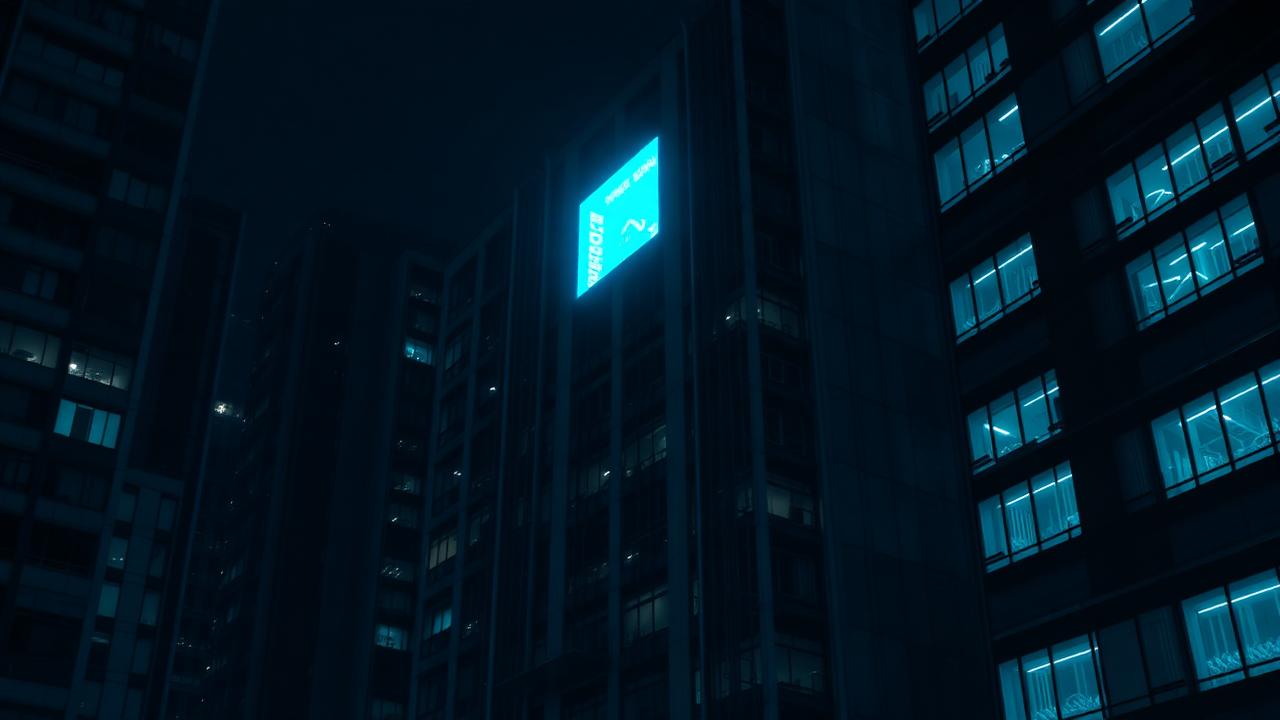
It is a normal working day in Hong Kong. Shops are open, lifts are running, tenants are working, and residents are going about their daily routine. Then one electrical room develops a fault. Within minutes, the problem is no longer hidden inside the switchroom. Lifts stop. Shops go dark. Residents call management. Emergency repair teams are mobilised.
This is why the future of electrical maintenance cannot rely only on post-incident repair. The real question is: could the abnormality have been detected earlier?
Recent reporting illustrates the scale of disruption a single switchroom can cause. A Kwun Tong building incident was reported as involving suspected electrical box short-circuiting and smoke in a meter room, causing a building-wide outage that extended into a second day after fire damage reportedly linked to a ceiling leak. Tin Chung Court in Tin Shui Wai reportedly suffered a building-wide blackout after suspected equipment failure in an electrical meter room. Tsuen Wan Centre reportedly experienced a major electrical failure in the main switch room affecting close to 1,000 households.
Building Power Outages Are Not Always Utility Network Problems
Many building outages are not caused by the upstream grid. They are caused by internal electrical systems — meter rooms, main switch rooms, switchboards, transformers, risers, cable terminations, and downstream distribution equipment.
For building owners, the most controllable electrical risks are often inside their own electrical rooms.
The Hidden Stage Before Failure
Electrical faults rarely appear suddenly. The typical deterioration pathway looks like this:
- A slightly loose connection
- Increased contact resistance
- Localized heating
- Progressive thermal stress
- Insulation degradation or arcing risk
- Smoke, trip, fire, or blackout
The visible incident is often the final stage. The early abnormality may have existed for days, weeks, or months before the outage.
Why Manual Inspection Alone Has a Blind Spot
Periodic inspection is necessary, but it is still a snapshot in time. If a connection starts deteriorating between inspections, the building may have no visibility until an alarm, trip, smoke, or failure occurs.
EMSD states that typical residential or commercial installations with approved loading exceeding 100A require inspection, testing, and certification at least once every five years. The point is not to replace statutory inspection. The point is to add continuous intelligence between inspections.
PowerGuard AI as the Building's Electrical Guardian
PowerGuard AI is designed for exactly this gap:
- RFID thermal sensors monitor critical connection points across busbars, MCCB/ACB terminals, incomers, and cable terminations.
- AI learns the normal thermal behaviour of each point under your real load patterns.
- Abnormal residuals, trends, and persistence are detected before they become an incident.
- A Health Index converts complex data into clear maintenance priority.
- Alerts notify the right team before the issue escalates.
- A RAG assistant supports incident response with site-specific guidance.
Documented capabilities include RFID thermal sensing, AI early fault detection, cloud monitoring, RAG assistant, and integrated water ingress monitoring.
From Outage Response to Outage Prevention
| Old model | New model |
|---|---|
| Wait for trip / smoke / complaint | Detect abnormality early |
| Repair after blackout | Maintain before failure |
| Manual inspection snapshot | Continuous AI monitoring |
| Fragmented incident response | Data-driven response workflow |
Is your building still waiting for the next electrical incident, or already monitoring the early signs?
Contact UNS to explore how PowerGuard AI can identify abnormal switchboard conditions before they escalate.
Want to discuss your switchboard portfolio?
UNS helps Hong Kong buildings move from reactive repair to predictive electrical monitoring with PowerGuard AI.
Contact UNS